
A Life Story Film: What It Is, Why It Matters, and How to Preserve a Story Well
A life story film is one of the most meaningful ways to preserve someone’s voice, memories, personality, and wisdom for the people who love them.
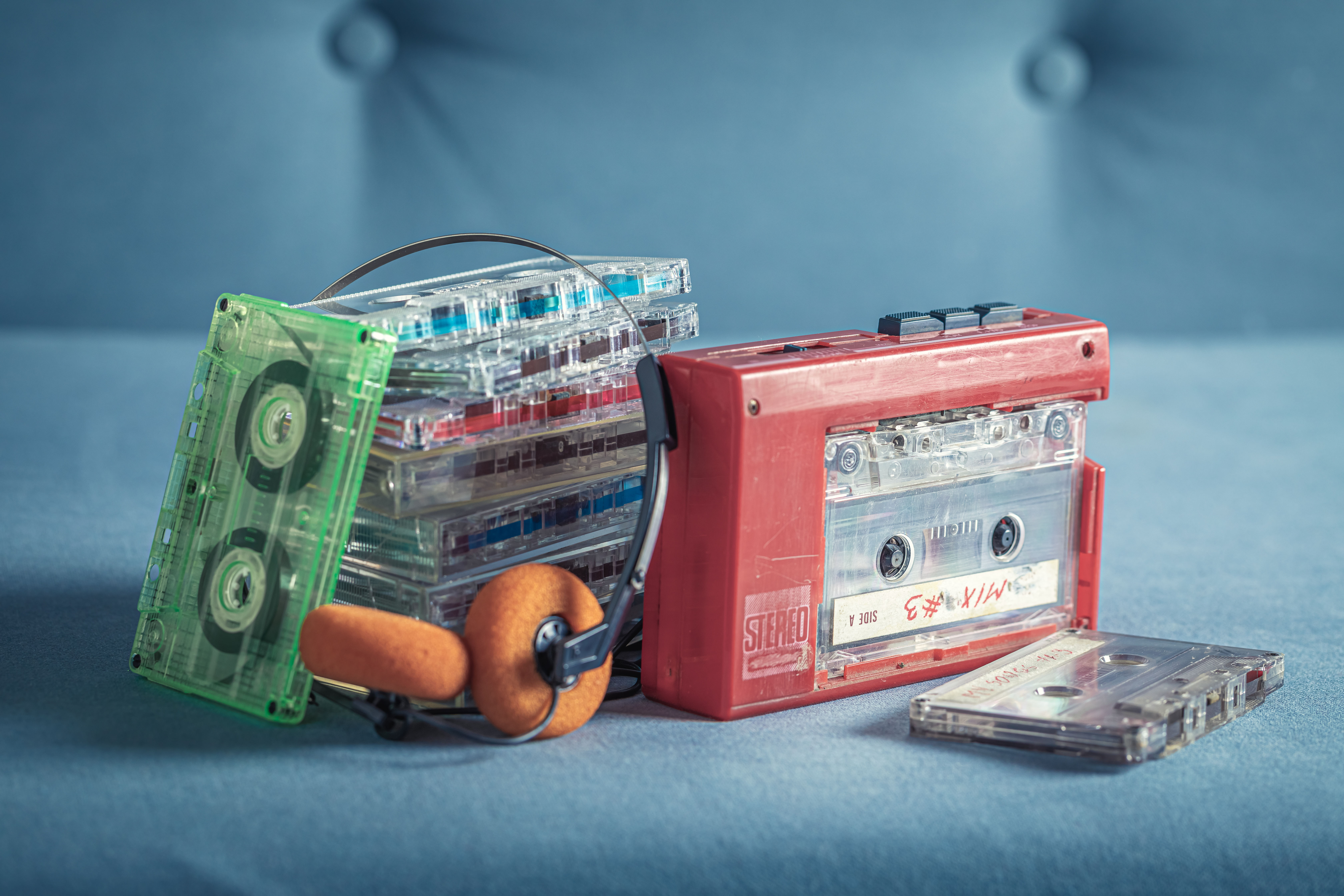
That may sound simple, but it is actually a much bigger idea than just “recording an interview.”
A life story film is not only about getting facts on camera. It is about helping someone look back on their life, remember the people and moments that shaped them, and explain what those experiences meant in their own words.
At Story & Legacy Films, this is exactly what we help families create. We guide the conversation, film it professionally, and weave in family photos, home videos, keepsakes, and meaningful visuals so the final film becomes something the family can watch, share, and return to for years.
And the reason this matters is something most families understand deep down: once a person’s stories are gone, you cannot recreate them the same way.
You may still have the photos. You may still have the objects. You may still know the basic facts.
But you may not have their voice explaining what it all meant.
What Is a Life Story Film?
A life story film is a personal documentary-style film that preserves a person’s memories, stories, values, and life lessons through a guided video interview.
It can be made for a parent, grandparent, spouse, family founder, veteran, business owner, or anyone whose story matters to the family. It can also be made by someone who wants to preserve their own story for their children and grandchildren.
A good life story film usually includes a few important pieces. It starts with a guided conversation, because most people do not naturally sit down and tell their whole life story from beginning to end. It also often includes family photos, home videos, meaningful places, letters, recipes, keepsakes, or heirlooms that help bring the story to life.
The Smithsonian Institution Archives describes oral history as a way of preserving historically meaningful information from personal recollections through planned recorded interviews. They also point out that oral history preserves voices, memories, and perspectives in a person’s own words, which is exactly why a life story film can become so powerful for a family.
That is the heart of it.
A life story film is not just a video file. It is a way to preserve someone’s perspective while they can still share it.
Why Family Stories Matter
Family stories do more than entertain us.
They help us understand who we are.
Researchers Robyn Fivush, Marshall Duke, and Jennifer Bohanek studied family history knowledge and adolescent well-being. Their work found that adolescents who knew more about their family history showed higher emotional well-being and stronger identity achievement, even when general family functioning was taken into account.
That is a big deal.
It means family stories are not just sentimental. They can help children and grandchildren feel more connected to where they came from.
Emory University has also written about Fivush and Duke’s work on family stories during hard times. In families that talked about challenging events in more coherent and emotionally open ways, children showed better coping over time, including better self-esteem, stronger social competence, better friendships, and lower anxiety and stress.
That does not mean every story has to be perfectly happy.
Actually, the honest stories often matter most.
When children and grandchildren hear how someone in the family faced hardship, made difficult decisions, started over, kept faith, stayed married, built something, lost something, or learned from mistakes, they are receiving more than family history.
They are receiving models for how to live.
That is one reason a life story film can be so valuable. It gives future generations a chance to hear those stories directly from the person who lived them.
Why Video Is Different From Writing
Written memoirs, journals, letters, and family history books can all be beautiful.
But video preserves something different.
A life story film lets the family hear the person’s voice, see their face, notice their expressions, and feel their personality. It captures the way they laugh, the way they pause before answering something meaningful, and the emotion that comes through when they talk about someone they loved.
That is very hard to preserve on a page.
The Library of Congress has long recognized the value of recorded personal stories. In its description of StoryCorps, the Library of Congress notes that everyday Americans record oral history interviews with relatives or friends under the guidance of a trained facilitator, with one copy of the interview becoming part of the American Folklife Center’s archives.
That is not the same thing as a private family Legacy Film, of course. But it shows something important: ordinary people’s stories are worth recording.
Not just famous people.
Not just public figures.
Ordinary parents, grandparents, spouses, neighbors, veterans, teachers, business owners, caregivers, and family members carry history too.
A life story film simply brings that idea home to your own family.
What Makes a Life Story Film Meaningful?
A meaningful life story film is not just a long recording.
It has to feel like the person.
That means the conversation matters more than almost anything else.
The Smithsonian Folklife and Oral History Interviewing Guide encourages people to turn to family and community members as key sources of history, culture, and tradition. It also explains that families and communities contain people with knowledge, skills, and ways of knowing that have often been passed down across generations.
That is exactly what a life story film is trying to preserve.
Not just where someone was born or what jobs they had, but the lived wisdom that came from decades of experience.
A strong film should help someone talk about the seasons that shaped them, the decisions that mattered, the people who influenced them, the values they hope continue, and the stories behind the photos and keepsakes the family may inherit.
It should not feel like a legal deposition.
It should not feel like a stiff interview.
It should feel like a real conversation that finally had enough room to go deeper.
Why a Guided Interview Helps
Most people have stories worth preserving, but that does not mean they know how to tell them on command.
If you sit someone down and say, “Tell me your life story,” there is a good chance they will freeze. That question is too big. It puts too much pressure on the person being filmed.
A better life story interview starts with specific memories and then follows the meaning underneath them.
For example, instead of asking someone to summarize their entire childhood, you might ask what their childhood home was like. From there, they may remember the kitchen, the neighborhood, a parent’s voice, chores, a family hardship, or the way life felt at that time.
The Oral History Association says strong oral history work includes preparation, interviewing, preservation, and access. Their best practices also recommend open-ended questions, active listening, follow-up questions, and a quiet location with minimal background noise.
That lines up with what we see in real life.
The best stories usually do not come from a list of perfect questions. They come from a person feeling comfortable enough to remember, reflect, and keep going when something meaningful comes up.
That is why Story & Legacy Films uses a guided interview process. The goal is not to make someone perform. The goal is to help them feel comfortable enough to be themselves.
What Should Be Included in a Life Story Film?
Every life story film is different because every person is different.
Some families want to focus on childhood and family roots. Others want to preserve stories about marriage, parenting, career, faith, military service, business, hardship, family traditions, or lessons learned over time.
The most important thing is not to include everything.
The most important thing is to preserve what matters most.
A life story film might include the story behind a family home, an old wedding photo, a military uniform, a recipe card, a Bible, a tool, a business, a piece of land, or a family tradition. These things may already matter to the family, but when the person explains the story behind them, they become much more meaningful.
The National Archives offers family archive guidance because preserving family papers and photographs for the next generation depends on preventing damage and caring for materials properly.
That is useful advice for the physical side of family history.
But a life story film adds another layer. It preserves the explanation behind those items.
Because a photo without a story can become confusing over time. A keepsake without context can become just another object in a box. A family tradition without meaning can fade after one or two generations.
The film helps the family understand why those things mattered.
Why the Finished Film Matters
Recording an interview is important.
But it is not the same thing as creating a finished life story film.
This is where a lot of family projects get stuck. Someone records a long conversation on a phone, saves it somewhere, and means to do something with it later. But later gets busy. The file sits in a camera roll or on a hard drive. Nobody knows where the best story is. Nobody edits it. Nobody backs it up properly.
The Library of Congress has an entire personal archiving section focused on preserving digital memories, including digital photographs, audio, video, email, records, and websites. It also notes that digital materials can be more difficult to preserve than physical materials, which is something many families do not realize until files are already scattered across phones, computers, hard drives, and cloud accounts.
The Oral History Association also recommends making redundant digital copies, storing them in different physical locations, and organizing related materials like photographs and documents with the interview files.
That may sound practical and boring, but it matters.
A life story film should not only be beautiful. It should be findable, shareable, and preserved in a way the family can actually use.
A finished film gives the family something clear to watch. It takes the strongest parts of the interview and combines them with the visuals, photos, home videos, and keepsakes that help the story feel alive.
That is the difference between having footage and having a family keepsake.
Can You Make a Life Story Film Yourself?
Yes, you can start on your own.
And honestly, you should record something if you feel the need.
A simple phone recording is better than losing the story completely. You can sit down with a parent, grandparent, or loved one, choose a quiet room, set up the phone on a tripod, and ask a few thoughtful questions.
Start small. Ask about one season of life. Ask about one old photo. Ask what their parents were like. Ask what they hope the family remembers.
That alone can be meaningful.
But there is a difference between capturing a few stories and creating a full life story film.
When you do it yourself, you are often trying to be the interviewer, camera operator, sound person, editor, archivist, and family member all at the same time. That can be a lot to manage, especially if the story is emotional or the conversation matters deeply to you.
That is one reason families choose to hire Story & Legacy Films.
We help carry the process so the family does not have to figure it all out alone.
How Story & Legacy Films Creates a Life Story Film
At Story & Legacy Films, our process is designed to make the experience relaxed, personal, and meaningful.
We begin with a short discovery call. This gives us a chance to understand who the film is for, what your family wants preserved, and what questions you may have. You do not need to have the whole story figured out before reaching out. Most people do not. The call simply helps us understand what matters most.
Then we film the interview in person, in a familiar and meaningful setting. That might be a home, a favorite room, a family property, or another place connected to the story. We bring professional cameras, lighting, and audio, but the focus is still the conversation.
After filming, we weave in family photos, home videos, keepsakes, and meaningful visuals. These pieces help future generations see the people, places, and memories being talked about, instead of only hearing the words.
The finished life story film becomes something the family can keep, watch, share, and return to.
Not just once.
Again and again.
When Is the Best Time to Create a Life Story Film?
The best time to create a life story film is usually before it feels urgent.
That may be the most practical advice in this entire article.
A lot of families wait because the timing never feels perfect. The house is not ready. The photos are not organized. The person being filmed feels nervous. Everyone is busy. There is always another holiday or another visit coming.
And hopefully there is plenty of time.
But the best stories are often easier to preserve while the person still has the energy to enjoy the process and the memories are still clear enough to explain.
You do not need to wait for a crisis to honor someone’s story.
A life story film can be created simply because the story matters.
Why a Life Story Film Becomes More Valuable Over Time
A life story film may feel meaningful the first time your family watches it.
But its value usually grows.
A child may watch it now and simply enjoy seeing Grandma or Grandpa talk. Years later, they may watch it again and understand the wisdom differently. A future grandchild may hear the voice of someone they never had the chance to know in person. Adult children may see a parent not just as Mom or Dad, but as a whole person with a whole life behind them.
That is what makes this kind of film different from most gifts.
It keeps giving.
It preserves the story, but it also preserves connection.
Preserve the Story While It Can Still Be Told
A life story film is not about creating a perfect record.
It is about preserving what matters.
The voice. The stories. The values. The lessons. The memories behind the photos. The meaning behind the life.
The research on family stories helps explain why this matters. Oral history organizations have spent decades developing best practices for preserving voices and memories well. Archives and libraries remind us that photos, videos, and digital files need care if they are going to last. And families know from experience that the stories people tell in their own voice can become some of the most treasured things they leave behind.
At Story & Legacy Films, we help families create guided, cinematic life story films that preserve more than scattered memories.
If you would like help creating a life story film for yourself or someone you love, fill out the form below. We would be honored to help you preserve the story while it can still be told.
Sources
Smithsonian Institution Archives — How to Do Oral History. Used for the definition and value of oral history as planned recorded interviews that preserve voices, memories, and perspectives.
Smithsonian Center for Folklife and Cultural Heritage — The Smithsonian Folklife and Oral History Interviewing Guide. Used for the idea that family and community members are key sources of history, culture, and tradition.
Oral History Association — Oral History Best Practices. Used for best practices around preparation, interviewing, open-ended questions, active listening, recording quality, preservation, access, and redundant copies.
Robyn Fivush, Marshall Duke, and Jennifer Bohanek — “Do You Know… The Power of Family History in Adolescent Identity and Well-Being.” Used for research connecting family history knowledge with adolescent emotional well-being and identity achievement.
Emory University News Center — How Family Stories Help Children Weather Hard Times. Used for research-based context on coherent, emotionally open family stories and children’s coping, self-esteem, social competence, and stress.
Library of Congress — Preserving the Past Through America’s Voices. Used for context on StoryCorps and the value of guided oral history interviews between everyday people and their loved ones.
Library of Congress — Personal Digital Archiving. Used for guidance on preserving digital memories, including digital photos, audio, and video.
National Archives — How to Preserve Family Archives. Used for basic guidance on preserving family papers and photographs for future generations.
Let's Talk About Your Family's Story
Fill out the form below to start the conversation.