
What Is a Legacy Video and How to Create One
A legacy video is a guided film that preserves a person’s life story, voice, memories, values, personality, and hard-earned wisdom for their family.
For many adult children, the idea starts with a simple thought:
“I really need to record my parent’s stories before I lose the chance.”
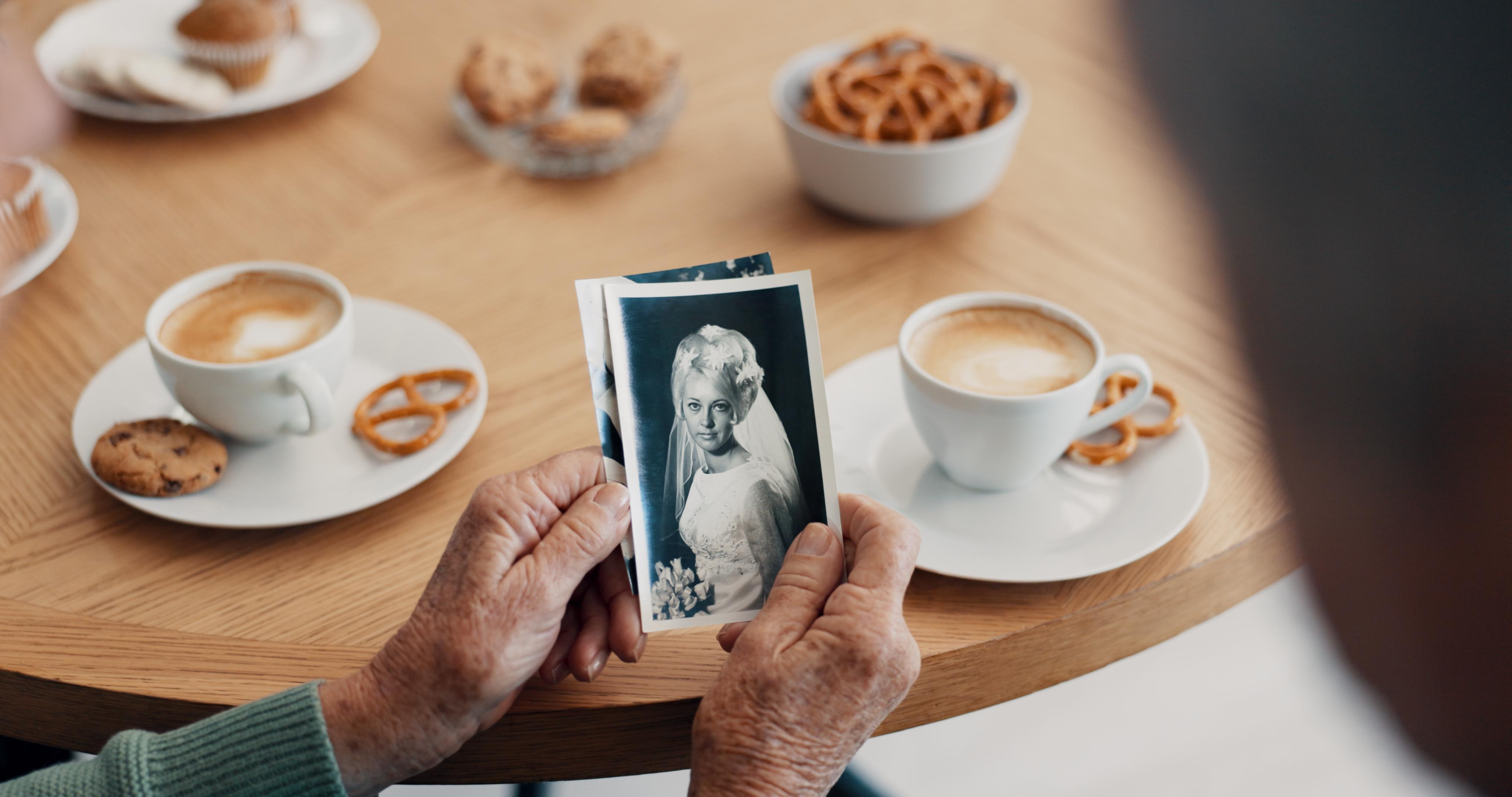
Maybe your dad keeps telling stories your kids have never heard. Maybe your mom pulls out an old photo and casually explains something about her childhood that you never knew. Or maybe your parent is getting older, and you are starting to realize how much family history still lives only in their memory.
That is where a legacy video can become so meaningful.
It is not just a recording. It is not a slideshow. It is not a stiff interview where your parent has to perform.
A good legacy video feels like a real conversation your family can keep.
At Story & Legacy Films, this is what we help families create: cinematic, guided legacy videos that preserve a parent or grandparent’s stories while they can still be told in their own words.
Here is a simple framework for creating one.
1. Decide What You Want to Preserve
Before you worry about cameras or questions, think about what you would be heartbroken to lose.
Is it your parent’s childhood stories? Their memories of your grandparents? The story behind the old family photos? The lessons they learned from hard seasons? The values they hope your children carry forward?
A legacy video does not need to capture every detail of your parent’s life. That can become overwhelming fast.
The goal is to preserve what matters most.
For some families, that means recording family history. For others, it means capturing wisdom, advice, faith, marriage stories, parenting reflections, military service, career lessons, or memories tied to a home, business, farm, recipe, or family tradition.
Start by asking yourself this:
“What do I want my children and future generations to understand about this person?”
That question will guide the whole project.
2. Create a Comfortable Setting
The best legacy videos usually happen when the person being filmed feels relaxed.
That is why the setting matters.
Your parent does not need to sit in a studio or deliver a speech. A familiar place is often better. Their living room, kitchen table, favorite chair, front porch, family property, or another meaningful location can help them feel more like themselves.
The goal is not to make everything look perfect.
The goal is to make the conversation feel safe and natural.
If you are doing this yourself, choose a quiet room, use soft natural light if possible, and make sure the phone or camera is close enough to capture clear audio. A simple recording with good sound is much better than a beautiful video where nobody can understand what is being said.
3. Ask Questions That Bring Out Meaning
This is where the legacy video really begins.
Most people make the mistake of asking, “Tell me your life story.”
That question is too big.
A better approach is to ask about specific memories and then follow the story deeper. Ask what their childhood home was like. Ask who shaped them. Ask about a season that changed them. Ask what they learned the hard way. Ask what they hope the family remembers.
The magic is usually in the follow-up.
When your parent shares a memory, ask what it felt like at the time. Ask what they understand now that they did not understand then. Ask why that story still matters.
That is how a simple memory becomes wisdom your family can carry forward.
4. Use Photos, Home Videos, and Keepsakes
Old photos can bring back stories that would not come out any other way.
Sit with your parent and look through a few meaningful pictures. Do not try to cover everything. Choose the photos that make them pause, smile, laugh, or say, “Oh, I remember this.”
Those are usually the ones with stories attached.
A legacy video becomes much stronger when family photos, home videos, keepsakes, and meaningful visuals are woven into the final film. They help your children see the people, places, and memories your parent is talking about.
Without the story, a photo can become just another image.
With the story, it becomes part of your family’s inheritance.
5. Turn It Into Something the Family Will Actually Watch
Recording the interview is important, but it is only the beginning.
A lot of family videos end up sitting on a phone or hard drive where nobody can find them later. The story may be technically saved, but it is not really preserved in a way the family can enjoy.
That is why the finished piece matters.
The best legacy video is clear, organized, easy to watch, and backed up in more than one place. It should feel like something the family can return to, not a random file buried in a folder.
This is where professional help can make a big difference.
At Story & Legacy Films, we guide the interview, film it in person with professional cameras, lighting, and audio, and then weave in family photos, home videos, keepsakes, and meaningful visuals. The result is not just footage. It is a finished family keepsake.
Preserve Their Story While You Can
A legacy video is one of the most meaningful gifts you can create for your family because it preserves something you cannot recreate later.
Your parent’s voice. Their way of telling stories. Their memories. Their wisdom. Their presence.
The best time to preserve those things is before it feels urgent.
If you would like help creating a guided, cinematic legacy video for your parent or loved one, fill out the form below. We would be honored to help you preserve their story while it can still be told.
Let's Talk About Your Family's Story
Fill out the form below to start the conversation. There's no pressure and no commitment—just a chance to learn how we can help preserve what matters most.