
When people hear the word inheritance, most of us immediately think about money.
We think about the house, the bank accounts, the property, the life insurance, the family heirlooms, and whatever else needs to be divided or passed down someday.
And of course, that matters. Nobody wants to leave their family with a mess to clean up. Getting the practical things in order is responsible, and it can be a real gift to the people you love.
But I think inheritance is bigger than what shows up in a will.
Because your children and grandchildren may one day receive what you owned, but that does not automatically mean they will understand who you were.
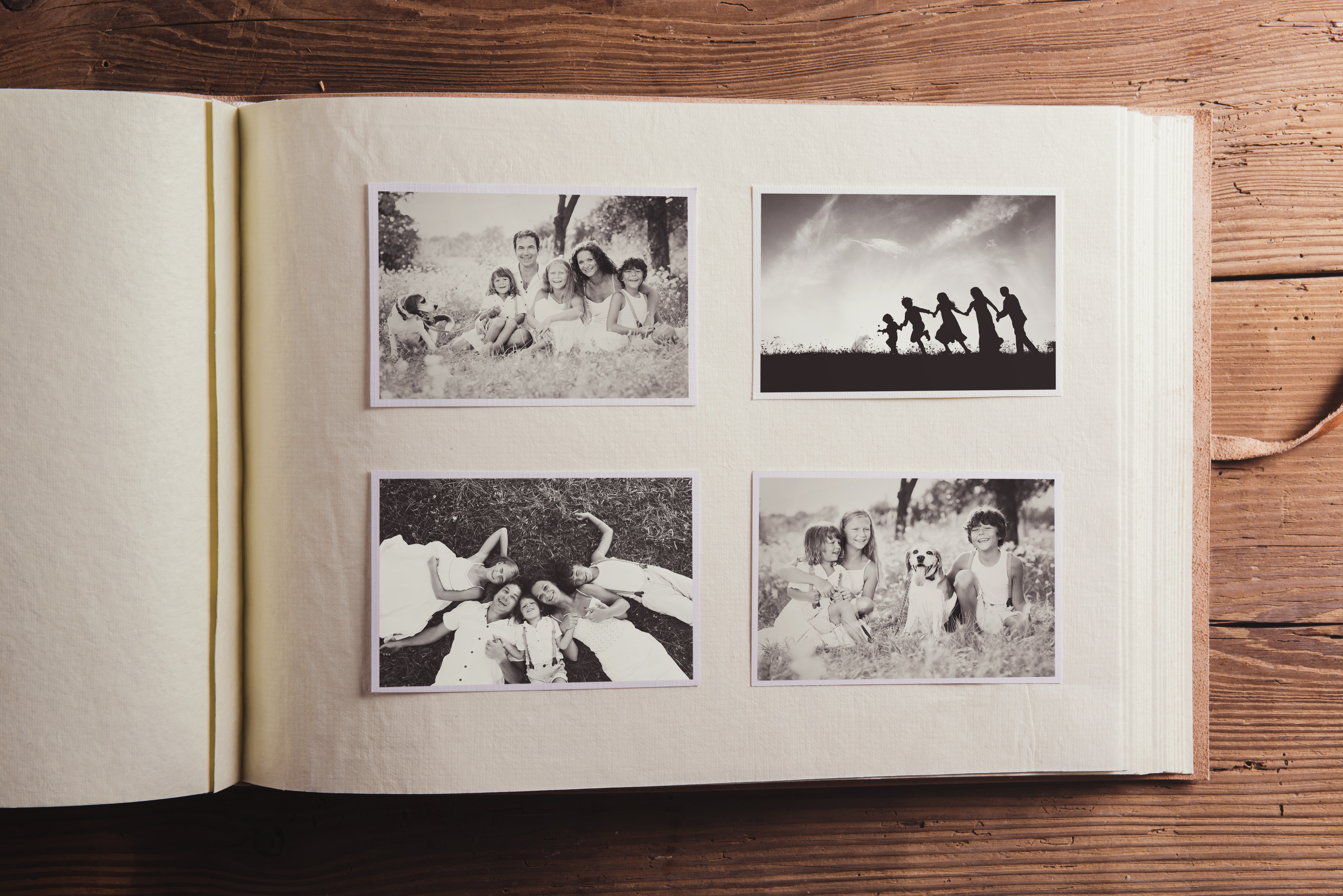
They may get the family photos, but not know the stories behind them. They may inherit the house, but not understand what it took to make that house feel like home. They may receive objects that mattered deeply to you, but if nobody explains why they mattered, those things can slowly become just “stuff.”
That is why non-financial inheritance matters.
It is the part of your legacy that helps your family understand where they came from, what shaped you, what you learned, and what you hope they carry forward.
Start With the Stories Your Family Would Not Know Unless You Told Them
One of the best non-financial things you can leave your family is your story.
Not a perfect, polished version of your story. Not some dramatic speech that makes your life sound more impressive than it was. Just the real story.
Most families know the basic outline of someone’s life. They know where Grandpa worked, where Mom grew up, how many kids were in the family, maybe a few funny stories that get repeated at holidays.
But there is usually a deeper layer that never gets talked about unless someone asks.
Your family may not know what it felt like when you were starting out. They may not know what scared you, what gave you hope, what you almost gave up on, or what changed the way you saw life. They may know the decisions you made, but not always the reasons behind them.
That is the part worth preserving.
Because when your children hear the story behind your life, they are not just learning facts about you. They are getting a better understanding of themselves and the family they came from.
Leave the Meaning Behind the Photos
Almost every family has old photos somewhere.
They might be in albums, boxes, envelopes, hard drives, phones, or random folders nobody has opened in years.
The sad thing is that photos can feel extremely important and still be almost impossible to understand without context.
You may look at an old photo and immediately remember the day, the people, the season of life, and why that moment mattered. But a child or grandchild looking at that same photo years from now may only see faces, clothing, and a place they do not recognize.
That is why one of the simplest non-financial inheritance ideas is to record the stories behind your most meaningful photos.
You do not have to explain every picture. Just start with the ones that make you feel something. The wedding photo. The old house. The first car. The family vacation. The photo of someone your kids never got to meet. The picture that looks ordinary but actually carries a whole chapter of your life inside it.
When you explain what was happening in those moments, the photo becomes more than an image. It becomes a doorway into the family’s story.
Share the Lessons You Learned the Hard Way
Every family has wisdom that was earned through experience.
Sometimes it came through success, but a lot of the time it came through mistakes, loss, uncertainty, hard work, or seasons where life did not go the way you expected.
Those lessons can be incredibly valuable to the next generation, but only if they are actually passed down.
A lot of parents give advice, but advice without a story can be easy to dismiss. When your family understands what you lived through and how that experience shaped you, the lesson carries more weight.
For example, it is one thing to tell your children to be careful with money. It is another thing to tell them about a time when money was tight, what that season felt like, what you learned from it, and why it changed the way you handled things later.
That kind of wisdom does not feel like a lecture. It feels like a gift.
Explain the Values That Guided Your Life
Most people have values they hope their family remembers.
Maybe faith mattered deeply to you. Maybe you cared about honesty, hard work, loyalty, generosity, education, forgiveness, service, or keeping the family close.
But values become much more meaningful when your family knows where they came from.
Instead of simply saying, “Family matters,” you can tell the story of when you learned that. Instead of just saying, “Work hard,” you can explain what work gave you, what it cost you, and what you hope your children understand about it. Instead of saying, “Be generous,” you can talk about a time when someone was generous to you and how it changed the way you wanted to live.
That is how values become more than nice words.
They become part of the family’s memory.
Preserve Your Voice
This one may sound simple, but I think it is one of the most meaningful.
Leave your family your voice.
Not just your written words. Not just your name on documents. Not just photos where they can see what you looked like.
Let them hear you.
There is something different about hearing a person tell a story in their own voice. You hear their humor, their pauses, their emotion, and their way of explaining things. You hear little pieces of their personality that do not always come through on paper.
Years from now, that may matter more than anyone realizes today.
A short recording, an audio message, a filmed interview, or even a simple video on your phone can become something your family treasures later. It does not have to be perfect. It just has to exist.
Write Letters for the People You Love
A personal letter is another beautiful non-financial inheritance.
It does not need to be long or poetic. In fact, the best ones usually sound like the person who wrote them.
You might write a letter to your children about what you are proud of. You might write one to your grandchildren about what you hope they remember. You might write to your spouse, siblings, or close friends and tell them what they meant to you.
A letter gives someone something they can hold, reread, and return to when they need it.
And sometimes, the things that feel too simple to say are the things people most need to hear.
Pass Down Family Traditions With the Story Behind Them
Family traditions are easy to continue when everyone understands why they matter.
Maybe your family has a certain meal every Christmas. Maybe there is a vacation spot everyone returns to. Maybe there is a song, prayer, recipe, holiday habit, birthday tradition, or family saying that has been around for years.
Those traditions may seem small right now, but they often become the things that make a family feel like a family.
The key is to preserve the story behind them.
Who started it? Why did it matter? What do you remember about it from the early years? What do you hope the family feels when they keep doing it?
When traditions have meaning attached to them, they are much more likely to survive.
Create a Family History That Feels Human
Family history does not have to be dry.
It does not need to be a giant binder full of dates and names, although those details can be helpful too.
What most people really want is the human version of family history. They want to know what people were like. They want to know how they lived, what they cared about, what they overcame, and what kind of people they were around the dinner table.
A good family history helps future generations feel connected to people they may never meet.
It gives them a sense of belonging.
It tells them, “You did not come from nowhere. There were people before you who lived, worked, struggled, loved, made mistakes, kept going, and built the family story you are now part of.”
That is a powerful thing to leave behind.
Record the Stories Behind Meaningful Objects
Most families have objects that matter because of the person connected to them.
It might be a ring, a watch, a Bible, a recipe box, a tool, a piece of furniture, a quilt, a military item, a journal, a painting, or something that would look ordinary to anyone outside the family.
The object itself may have financial value, but the emotional value usually comes from the story.
Why did you keep it? Who did it belong to? What does it remind you of? Why would you want someone in the family to have it someday?
If those stories are not preserved, the next generation may not know what they are holding.
But when the story is attached, the object becomes part of the family’s living memory.
Give Your Family a Blessing, Not Just Instructions
This is something I think about often.
A lot of end-of-life planning is built around instructions. Here is where the documents are. Here is who to call. Here is what happens next. Here is how the accounts work.
That is all necessary.
But your family may also need something more personal from you.
They may need encouragement. They may need perspective. They may need to hear that you love them, that you are proud of them, that you believe in them, and that you hope they stay connected to each other.
Those words may seem obvious to you.
But they may not feel obvious to your family later.
Sometimes the most meaningful inheritance is simply giving people the words they will need when they miss you.
A Legacy Film Can Bring These Pieces Together
This is one reason we create Legacy Films at Story & Legacy Films.
A lot of non-financial inheritance ideas are simple on their own. Record a story. Explain a photo. write a letter. Talk about a family tradition. Share a lesson.
But the hard part is actually doing it in a way that feels complete, comfortable, and easy for the family to return to.
A Legacy Film brings those pieces together through a guided conversation. Instead of trying to figure out what to say by yourself, you are asked thoughtful questions that help draw out the stories, values, memories, and wisdom your family may not know to ask for.
The finished film gives your family more than information. It gives them your presence, your voice, your expressions, your stories, and the meaning behind the life you lived.
That is why I believe a Legacy Film can be one of the most meaningful non-financial inheritances a family receives.
The Best Inheritance Is Not Always Something You Can Put a Price On
There is nothing wrong with wanting to leave your family financially prepared.
That is a good and loving goal.
But some of the most important things you can leave behind will never show up in an account balance.
Your family may need your stories more than you realize. They may need your wisdom later in life, when they are finally old enough to understand it. They may need your voice on a day when they wish they could ask one more question.
So as you think about what you want to leave behind, do not only think about what can be transferred.
Think about what can be preserved.
At Story & Legacy Films, we help families preserve those stories through cinematic, guided Legacy Films.
Visit storyandlegacy.com to learn more.