
When your parent becomes a grandparent, something changes.
You still see them as Mom or Dad. You remember the person who raised you, corrected you, worried about you, showed up for you, and helped shape your life in ways you probably understand better now than you did when you were younger.
But your kids may see them differently.
They may know them as Grandma or Grandpa. They may know their smile, their hugs, their little sayings, their favorite chair, the way they tell a joke, or the traditions they bring to the family. But depending on their age, they may not really know the full person behind that role.
They may not know what life was like when your parent was young. They may not know the hard seasons they lived through, the choices they made, the sacrifices they carried, or the stories behind the old photos tucked away in boxes and albums.
That is why so many adult children eventually start wondering about the best way to honor a grandparent’s life story.
Because you are not only thinking about your parent anymore.
You are thinking about what your children and future generations may lose if those stories are never preserved.
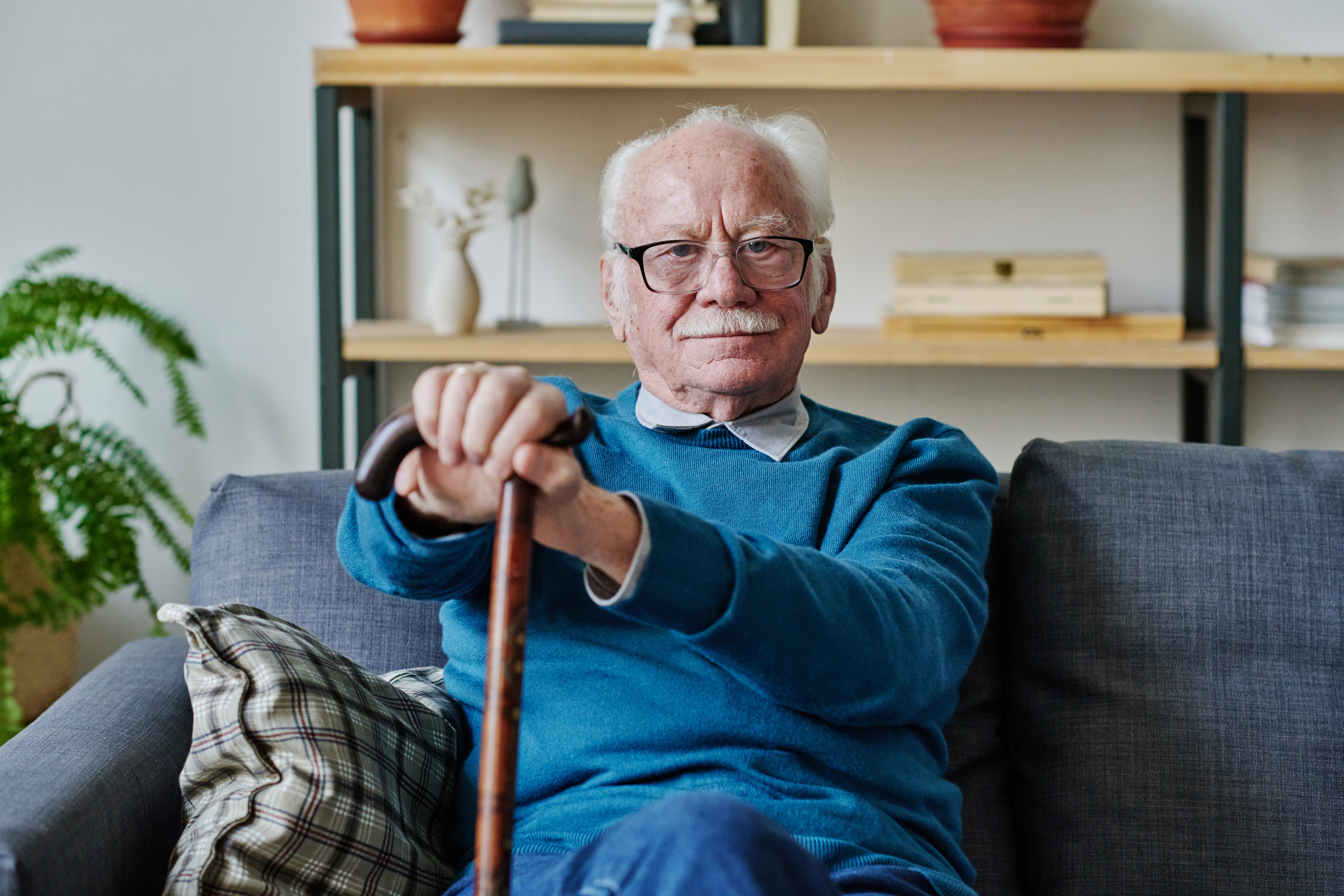
Honoring Their Story Starts With Seeing Them as More Than Grandma or Grandpa
This is easy to forget because family roles become so familiar.
Your parent may be Grandma now. Or Grandpa. They may be the person who shows up for birthdays, tells the same stories, sneaks treats to the kids, gives advice, or sits quietly in the corner while everyone else is busy.
But before they were a grandparent, they had a whole life.
They were a child in a different world. They had parents, fears, dreams, friendships, heartbreaks, jobs, responsibilities, mistakes, turning points, and moments that shaped the way they saw everything after that.
And before they were your parent, they were becoming the person who would one day raise you.
That is the part your children may never fully understand unless someone helps preserve it.
Honoring a grandparent’s life story means giving them the chance to be known as a whole person, not just remembered by the role they played at the end of the family tree.
Start by Asking Better Questions
A lot of families try to start with a huge question like, “Tell us your life story.”
That sounds meaningful, but it is usually too big.
Most people do not know how to answer that naturally. They may laugh, give a short answer, or jump to the same few stories they always tell because the question gives them too much space and not enough direction.
A better way to honor a grandparent’s life story is to begin with specific memories.
Ask what their childhood home was like. Ask what their parents were like when nobody else was around. Ask about the first time they remember feeling proud of themselves. Ask what life felt like when they were your age. Ask what they understand now that they did not understand when they were raising a family.
The goal is not to interrogate them or force them through a list.
The goal is to give them a place to begin.
Once they start talking, the most important thing you can do is listen closely. If they mention something that feels important, stay with it for a moment. Ask what that season was like. Ask how it changed them. Ask what they hope the family understands from it now.
That is usually where the best stories are hiding.
Use Old Photos to Bring the Story Back
Old photos are one of the easiest ways to help a grandparent remember stories the family may not know.
You can sit down with a photo album and ask, “What do you remember about this?” That one question can open up a whole world.
A picture of an old house might lead to a story about childhood. A wedding photo might bring back memories about marriage, work, money, faith, or starting a family. A photo of someone your kids never met might help preserve a family connection that would otherwise fade away.
The photo itself matters, but the story behind the photo is what gives it life.
Without the story, future generations may only see faces and places they cannot name. With the story, they begin to understand where they came from.
That is one of the simplest ways to honor a grandparent’s life story at home. You do not need fancy equipment to start. You can sit at the kitchen table, open an album, and record the conversation on your phone.
It may not be perfect, but it will be something.
And something preserved is always better than a story that disappears.
Do Not Only Capture What Happened
This is where a lot of family history projects stay too shallow.
They capture the facts.
Where they were born. Where they went to school. What jobs they had. When they got married. How many children they raised. Where they lived.
Those details matter, but they are not the deepest part of the story.
The deeper value comes when your parent or grandparent explains what those experiences meant.
When they talk about a hard season, ask what helped them keep going. When they talk about raising children, ask what they wish they had understood at the time. When they talk about work, ask what they were trying to build for the family. When they talk about faith, service, marriage, loss, or starting over, give them room to explain how those things shaped them.
That is where a life story becomes more than family history.
It becomes wisdom your children can carry forward.
Give Them the Experience of Being Honored While They Are Still Here
One of the most meaningful parts of preserving a grandparent’s life story is that it does not have to be something the family only appreciates later.
It can honor them now.
Many older parents and grandparents have spent so much of their lives taking care of everyone else that they may not be used to having someone slow down and ask about them.
Not just what they did for the family, but what their life was like.
Not just what they remember, but what it all meant to them.
When you take time to ask good questions, listen patiently, and preserve their answers, you are telling them something without saying it directly: your life matters enough to remember well.
That can be a beautiful gift.
And it does not need to feel sad or heavy. These conversations can be funny, warm, surprising, and full of stories nobody expected. Sometimes the best moments are the small ones: a laugh, a pause, a forgotten memory, or a story that suddenly helps the family understand them in a new way.
Decide What Kind of Keepsake You Want to Create
There are several ways to honor a grandparent’s life story.
You could record casual phone videos. You could write down their memories. You could make a photo book with stories attached to the images. You could record audio interviews. You could create a family history binder or organize old photos and keepsakes.
All of those can be meaningful.
The important thing is to think about what your family will actually use later.
A box of photos may be valuable, but only if someone understands who is in them. A long unedited video may preserve a lot, but your family may never watch it if it feels overwhelming. A journal can be beautiful, but it only works if your parent or grandparent actually wants to write.
For many families, the most meaningful keepsake is something that preserves the person’s voice, face, personality, and stories in one place.
That is why a guided Legacy Film can be so powerful.
It gives your family more than information. It gives them a way to see and hear the person they love telling their story in their own words.
How Story & Legacy Films Helps Families Honor a Grandparent’s Life Story
At Story & Legacy Films, we help families preserve a loved one’s life story through cinematic, guided Legacy Films.
Our process is designed to make the experience simple for the family and comfortable for the person being filmed.
We begin with a short, relaxed discovery call to get to know your family, answer your questions, and understand who the film is for. You do not need to have the whole thing figured out before reaching out. Most families simply know they want to preserve their parent or grandparent’s story, and they do not want to risk waiting too long.
From there, we film the interview in person, in a familiar and meaningful setting. That might be their home, a favorite room, a family property, or another place connected to their life. We bring professional cameras, lighting, and audio, but the heart of the process is the guided conversation. The goal is not to make them perform on camera. The goal is to help them feel comfortable enough to share their memories, personality, values, and hard-earned wisdom naturally.
After filming, we weave in family photos, home videos, keepsakes, and meaningful visuals. These pieces help the story feel alive because future generations can see the people, places, and memories being talked about instead of only hearing the words.
The finished film becomes something your family can keep, share, and return to for years.
The Best Way to Honor Their Story Is to Preserve It Before It Becomes Urgent
A lot of families wait because it never feels like the right time.
Everyone is busy. The holidays are coming. The house is not ready. Your parent may be a little nervous. You may not know what questions to ask. It feels like something you can always do later.
And hopefully you can.
But the truth is, the best time to preserve a grandparent’s life story is before it feels urgent.
It is better to do it when they have the energy to enjoy the conversation. It is better to do it when the memories are easier to reach. It is better to do it while your children can still see that their grandparent’s life is being honored, not just remembered after the fact.
You do not need to preserve everything at once.
You can start with one conversation, one photo album, one afternoon, or one meaningful story.
But starting matters.
Because someday your children may not only want to know what Grandma or Grandpa looked like. They may want to hear their voice, understand their life, and feel connected to the family story they came from.
That is what honoring a grandparent’s life story really means.
It means preserving more than memories.
It means helping future generations understand the person behind them.
Preserve Their Story Before It's Lost
If you would like help creating a guided, cinematic Legacy Film for your parent or grandparent, fill out the form below. We would be honored to help you preserve their story while it can still be told.