
What Is a Family Documentary, and How Do You Make One That Actually Matters?
A family documentary sounds like a big, fancy project. But really, it starts with a simple thought: “I don’t want to lose this person’s stories.”
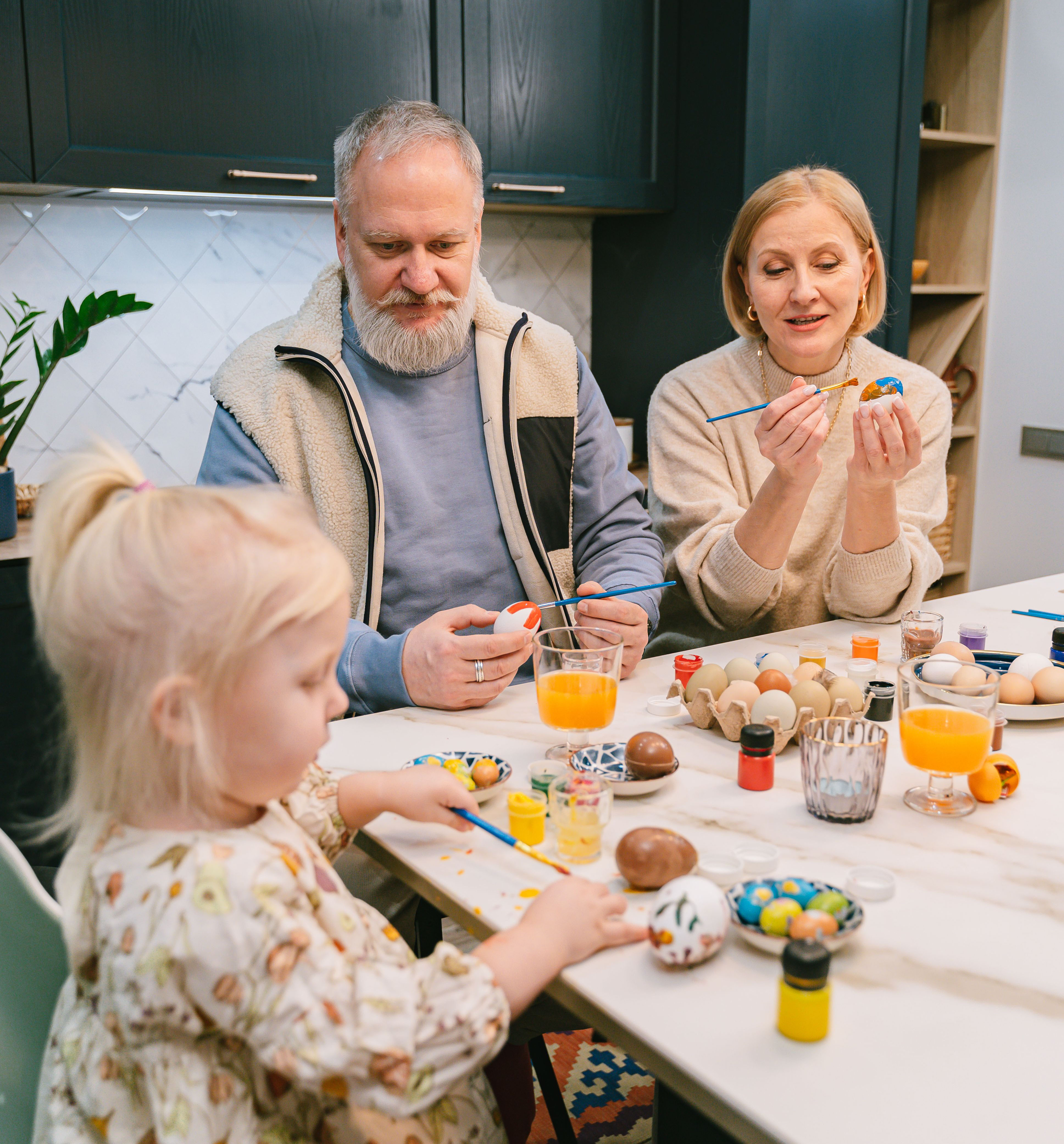
Maybe it’s your dad. Maybe it’s your mom. Maybe it’s a grandparent, aunt, uncle, or someone in your family who has lived through things your kids may never fully understand unless someone helps preserve it.
And if you’re the adult child thinking about this, you probably already feel the pressure a little.
You know there are stories you still haven’t asked about. You know there are old photos nobody has explained. You know your parent or grandparent carries memories, values, and wisdom that could disappear quietly if the family keeps waiting for “someday.”
That’s where a family documentary can become really meaningful.
Not because it turns your loved one into a celebrity.
Because it gives your family a way to keep hearing from them.
A family documentary is more than a nice video
A good family documentary is not just someone sitting in front of a camera answering random questions.
It should feel like a guided conversation.
The Smithsonian’s oral history guide says family and community members are important sources of history, culture, and tradition, and that the best place to begin is by deciding what you’re actually curious about and what you want to learn.
That matters because a lot of families start too broad.
They say, “Tell us about your life.”
And honestly, that is a hard question to answer.
Most people don’t know where to begin, so they either give a short answer, make a joke, or start listing facts.
A better family documentary gives them a clear path.
It helps them talk about the moments that shaped them, the decisions that changed their life, the people who influenced them, and the lessons they want their family to remember.
A simple framework: the 4 M’s
If you want to start thinking through a family documentary for your parent or grandparent, use this simple framework:
Memories, Moments, Meaning, and Message.
That’s it.
1. Memories
These are the stories everyone usually thinks of first.
Where they grew up. What their parents were like. How they met their spouse. What family life was like. What jobs they had. What holidays felt like. What the old neighborhood was like.
These stories are valuable because they give your family a sense of place.
They help your kids understand, “This is where we came from.”
2. Moments
Moments are different from memories.
A memory might be, “I worked at that company for 30 years.”
A moment is, “I almost quit during the first year because I didn’t think I could handle it.”
Moments are where the story starts to become human.
These are the turning points, hard decisions, surprises, losses, risks, sacrifices, and second chances.
If you’re helping your parent prepare, don’t ask them to summarize their whole life. Ask them about one moment.
“What was a season that changed you?”
That question is easier to answer, and it usually leads somewhere real.
3. Meaning
This is the part most families accidentally miss.
They record what happened, but they never ask what it meant.
That’s a shame, because the meaning is usually what the next generation needs most.
For example, your dad might tell a story about working long hours when you were young. The fact is useful. But the meaning might be that he was terrified of failing his family. Or that he wanted to give his kids stability he never had. Or that he regrets missing certain moments but hopes you understand what he was trying to build.
That is the kind of thing a family documentary should preserve.
Not just the event.
The lesson inside the event.
4. Message
This is where the story turns toward the family.
What do they hope their children understand?
What advice would they give their grandchildren?
What values do they hope the family carries forward?
What do they want to say while they still have the chance to say it?
The Smithsonian’s list of possible oral history questions includes family folklore, names, traditions, and stories passed down through generations, which is a helpful reminder that family history is not just dates and documents. It is also the stories, customs, and meaning families carry forward.
A story that feels familiar
Imagine a son named Michael.
His mom is in her early 70s. She is still active, still sharp, still hosting Sunday dinners, still telling everyone they aren’t eating enough.
For years, Michael has thought, “We should record her stories.”
But he never does.
Then one night, his teenage daughter asks Grandma what she was like at her age.
At first, everyone laughs.
Then his mom starts talking.
She tells them about growing up with very little money. She talks about helping raise her younger siblings. She talks about meeting Michael’s dad, losing her own mother, learning how to forgive, and why she always cared so much about keeping the family together.
Michael has heard pieces of this before, but never like this.
And while she’s talking, he realizes his daughter is hearing the real story behind the woman she just calls Grandma.
Not just the meals.
Not just the birthday cards.
Not just the hugs.
The person.
That is when Michael realizes this should not be left to random moments at the dinner table.
It should be preserved.
What to ask before making a family documentary
Before you film anything, sit down and answer these three questions:
Who is this really for?
Is it for the kids? The grandkids? The whole family? Future generations who may never meet this person?
What would we regret not asking?
This question cuts through the noise fast. It helps you find the stories that matter most.
What wisdom should not disappear?
This is the big one. Not just what happened, but what they learned.
The Smithsonian Archives also recommends choosing a quiet place for an oral history interview, explaining what you are doing, and making sure the person knows they can choose what to answer. That’s important because the interview should feel safe, not forced.
You don’t have to make it perfect
If you’re trying this on your own, don’t overcomplicate it.
Pick a quiet room. Use decent light. Make sure the audio is clear. Ask one thoughtful question, then actually listen.
But if you want the finished result to feel more complete, a guided family documentary can help. It gives your loved one someone to lead the conversation, ask better follow-up questions, and shape the final film into something your family will actually want to watch again.
At Story & Legacy Films, that’s what we help families do. We create guided, cinematic family documentaries that preserve a loved one’s voice, memories, values, and wisdom for the people who will carry it forward.
If there’s someone in your family whose stories you don’t want to lose, fill out the form below. We can talk about who the film would be for, what you’d want preserved, and whether a Story & Legacy Film feels like the right fit for your family.
Let's Talk About Your Family's Story
Fill out the form below to start the conversation and see if a legacy film is the right fit.