
Creating a Life Story Film: A Simple Framework for Preserving Someone’s Story Well
A life story film can sound like a big project at first.
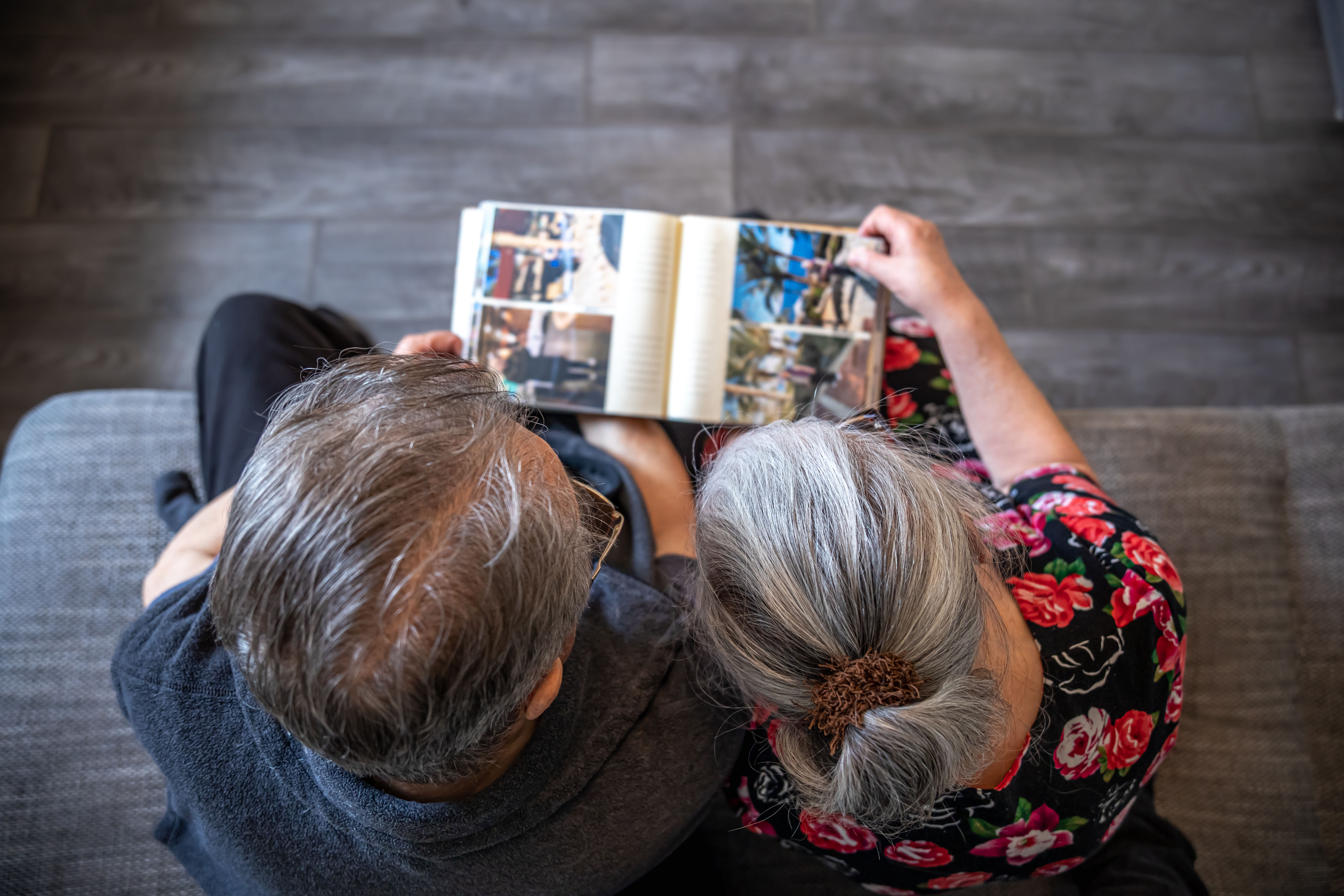
You may picture a full documentary, hours of interviews, boxes of old photos, complicated editing, and a family member who suddenly has to explain their entire life perfectly on camera.
No wonder a lot of families put it off.
But a life story film does not have to begin as a giant production. At its core, it is simply a way to preserve someone’s voice, memories, personality, values, and hard-earned wisdom in a form the family can actually watch and keep.
The important thing is not making the film perfect.
The important thing is preserving the right stories while they can still be told.
So if you are trying to make a life story film for yourself, a parent, a grandparent, or someone else you love, here is a simple framework that can help.
Step 1: Decide Who the Film Is Really For
Before you think about cameras, questions, or old photos, start with the audience.
Who do you want this life story film to serve?
Is it for the children? The grandchildren? The whole family? Future generations who may never get to meet this person? Is it meant to preserve family history, personal wisdom, old memories, or the stories behind certain photos and keepsakes?
This matters because it changes the way you approach the whole film.
A film made for young grandchildren may focus more on personality, family values, funny memories, and simple stories that help them feel connected. A film made for adult children may go deeper into parenting, marriage, work, sacrifice, faith, regret, and the choices they may not have understood when they were younger.
A common mistake is trying to make the film for everyone and about everything. That usually makes the project feel overwhelming.
A better question is, “What would this family be most grateful to have preserved years from now?”
That question helps you focus.
Step 2: Choose the Main Story Themes
A life story film does not need to cover every year of a person’s life.
In fact, trying to cover everything can make the film feel more like a timeline than a story.
Instead, choose a few meaningful themes.
You might focus on childhood, family roots, marriage, parenting, work, faith, military service, building a business, overcoming hardship, family traditions, or lessons learned over time. The right themes depend on the person being filmed and what you want the family to understand.
This step is important because it helps the interview feel more natural.
Instead of asking, “Tell me your whole life story,” which can make almost anyone freeze, you can ask about one meaningful season at a time.
You might ask what their childhood home was like. You might ask about a person who shaped them. You might ask about a season that tested them. You might ask what they are proud of, what they learned the hard way, or what they hope the family carries forward.
The goal is not to create a script.
The goal is to create a path for the conversation.
Step 3: Record a Real Conversation, Not a Performance
This is where the life story film really begins.
The interview is the heart of the project.
And the best interviews usually do not feel like interviews. They feel like thoughtful conversations where the person has time to remember, pause, laugh, reflect, and explain what life has taught them.
That means you do not need to make the person give a speech.
Actually, you probably should not.
Most people sound more natural when they are responding to real questions from someone who is listening. Start with specific memories, then follow up when something meaningful comes up.
For example, if they talk about a hard season, do not rush to the next question. Ask what helped them get through it. If they mention an old family tradition, ask why it mattered. If they talk about a major decision, ask what they were feeling at the time and what they understand now that they did not understand then.
That is where the deeper stories usually come from.
A life story film should preserve more than what happened.
It should help the family understand what it meant.
Step 4: Add the Photos, Home Videos, and Keepsakes That Bring the Story to Life
A life story film becomes much more powerful when the stories are connected to real family memories.
Old photos are often the easiest place to start.
A photo of a childhood home can help future generations picture the world someone came from. A wedding photo can bring a story about marriage to life. A picture of a parent, sibling, military service, family business, old car, first house, or family vacation can help the viewer feel the memory more clearly.
Home videos can be even more powerful if you have them.
Keepsakes can help too. A ring, watch, Bible, recipe card, tool, quilt, letter, piece of land, or family heirloom can all carry meaning if the story behind it is explained.
The key is not to include every photo you can find.
That will make the film messy.
Choose visuals that support the stories being told. The interview should still lead the film. The photos and keepsakes simply help the family see what the person is talking about.
That is what makes the film feel personal instead of generic.
Step 5: Turn the Recording Into Something the Family Will Actually Watch
This is the step many families underestimate.
Recording the interview is important, but a recording is not the same thing as a finished life story film.
A lot of families have meaningful videos sitting on phones, hard drives, or cloud folders that nobody ever watches because the footage is too long, hard to hear, poorly organized, or never edited.
A finished film should be easy to watch.
That does not mean it needs to be flashy or overproduced. It just needs to feel clear, thoughtful, and complete. The best parts of the interview should be shaped into a story. The audio should be understandable. The visuals should support the conversation. The final file should be backed up and easy for the family to access later.
This is where the project moves from “we recorded something” to “we preserved something.”
That difference matters.
A life story film should not become one more file nobody knows how to find.
It should become a family keepsake.
The Hard Part Is Doing All of This Yourself
This framework is simple, but that does not mean it is easy.
If you are trying to make a life story film yourself, you may quickly realize you are carrying a lot at once. You are choosing the questions, managing the camera, checking the audio, guiding the conversation, gathering photos, organizing files, editing the story, and trying to stay emotionally present with someone you love.
That is a lot.
And sometimes the story matters too much to leave to a rushed phone recording or an unfinished project sitting on a hard drive.
That is where Story & Legacy Films can be a much easier and stronger solution.
A Better Option: Let Story & Legacy Films Guide the Process
At Story & Legacy Films, we create cinematic life story films for families who want the story preserved well without having to figure everything out on their own.
We begin with a short, relaxed discovery call to get to know you, answer your questions, and understand who the film is for. You do not need to know how to tell a whole life story before that call. It simply helps us understand what matters most.
Then we film the interview in person, in a familiar and meaningful setting. We bring professional cameras, lighting, and audio, but the heart of the process is still the guided conversation. The goal is not to make anyone perform. The goal is to help them feel comfortable enough to share their voice, personality, memories, values, and hard-earned wisdom naturally.
After filming, we weave in family photos, home videos, keepsakes, and meaningful visuals so the final film feels connected to the life being shared. These pieces help future generations see the people, places, and memories that shaped the story.
In other words, you do not have to become the interviewer, filmmaker, editor, and family historian all at once.
We guide the process for you.
And the result is not just a recording.
It is a finished life story film your family can watch, share, and return to for years.
Preserve the Story While It Can Still Be Told
A life story film is one of the most meaningful ways to preserve someone’s story because it captures more than facts.
It preserves their voice, their face, their personality, their memories, and the meaning behind the life they lived.
You can start on your own with this framework, and even a simple recording is better than waiting forever.
But if you want the story preserved in a guided, cinematic, and complete way, Story & Legacy Films can make the process much easier and the final result much stronger.
Let's Talk About Your Family's Story
Fill out the form below to start the conversation. There's no pressure and no obligation—just a chance to see if a Legacy Film is right for you.